
How AI is Transforming IT Security Solutions in 2025
Artificial intelligence technologies have transformed cybersecurity in 2025 because they have changed offensive and defensive techniques dramatically. IT security solutions providers have adopted artificial intelligence as their primary product component because organizations now deal with complex threats requiring modernized security measures beyond simple rule systems. IT security management services have developed advanced protection frameworks that employ numerous AI forms to identify security threats and take rapid action for defense excellence in 2025.
The Evolution from Reactive to Predictive Security
Traditional security tools operated on a reactive basis because they reacted to known threats only by using signatures and predefined rules. IT security solutions through modern advancements have learned to predict dangers by studying patterns along with anomalies that allow them to detect threats as they develop. AI technology developments have pushed forward these changes thanks to specific breakthroughs.
Machine Learning for Threat Detection
The basic structure of advanced threat detection systems relies on machine learning algorithms. Such systems analyze extensive datasets of standard network conduct to detect the subtle marks that show potential security breaches. Modern ML models outperform statistical methods that were used previously because they achieve:
- The system needs to recognize attacks that use various pathways at the same time.
- Behavioral analysis has replaced signatures for the detection of zero-day vulnerabilities
- The system adapts automatically to network changes without needing continuous manual system readjustment.
- Reduction of false alarms happens through an ongoing process which refines detection parameter settings
IT security management services underwent a transformation from basic monitoring to proactive defense capabilities due to these capabilities.
Deep Learning for Enhanced Traffic Analysis
Deep learning networks demonstrate superior effectiveness when processing complicated network traffic analysis tasks. The analysis of unfiltered packet data along with malicious content detection abilities, even for encrypted content, has developed a defensive capability. Major advancements include:
- Artificial intelligence detects command-and-control activities while identifying their resemblance to typical network communications standards.
- The technology provides instantaneous analysis of encrypted network data by retaining privacy conditions that achieve security rather than compromise privacy.
- System tools help detect when hackers attempt to move data outside the network through disguised business communications.
- The ability to detect attackers who make unauthorized movements between systems to bypass customary network security boundaries
IT Security solutions using these modern technologies achieve almost double the detection success rates (up to 95%) compared to traditional systems thus cutting down the time attackers stay hidden inside networks.
Natural Language Processing for Threat Intelligence
The cybersecurity domain collects massive unorganized information including threat reports that merge with forum discussions. IT security management services utilize natural language processing as their vital processing solution to convert information into actionable security intelligence.
- System-based threat report analysis from different sources detects new attack methods.
- Executions to detect new exploits as well as unauthorized attack techniques in dark web forums.
- Evaluation of threats occurs when information processing integrates multiple language content analysis.
- Extraction of technical indicators from narrative descriptions of attacks
The implementation of threat intelligence into security platforms now enables defenses to change their response to new threats in hours instead of taking the previous weeks or days.
Autonomous Security Operations
The cybersecurity domain collects massive unorganized information including threat reports that merge with forum discussions. IT security management services utilize natural language processing as their vital processing solution to convert information into actionable security intelligence.
- System-based threat report analysis from different sources detects new attack methods.
- Executions to detect new exploits as well as unauthorized attack techniques in dark web forums.
- Evaluation of threats occurs when information processing integrates multiple language content analysis.
- Extraction of technical indicators from narrative descriptions of attacks
Security platforms now implement this intelligence which allows them to adopt new threats within hours instead of needing days or weeks to set defenses.
Automated Vulnerability Management
The adoption of AI systems turned vulnerability management into a noninterruptive workflow from sporadic scans.
- The system detects vulnerabilities instantly while placing them according to their probable targeting risk.
- A system uses automation to validate system patches and conducts operations seamlessly
- The vulnerability scoring system evaluates contexts through assessment of network structures plus existing security measures
- Prediction analysis detects the likely vulnerabilities that will become attack targets by observing threat actor activities
The ability to protect organizations emerges from these features even in scenarios featuring multiple thousands of systems and applications with unique vulnerability profiles.
Self-Healing Network Infrastructure
Network self-healing systems which philosophers once discussed theoretically are now operating through artificial intelligence implementation.
- Host systems automatically disconnect compromised sections from other parts of the network through self-adjusting protocols.
- Security teams deploy deception technologies dynamically since they redirect attackers toward alternative targets different than critical infrastructure.
- Permanent tests on security controls validate their operational readiness
- Autonomous remediation of common misconfigurations without human intervention
The self-healing features implemented by AI has shortened vulnerability discovery response time down to less than four hours for critical issues according to leading IT security management services while the industry norm stood at seven days about a few years back.
Human-AI Collaboration in Security Operations
The most successful IT security solutions establish cooperation between human analysts and artificial intelligence platforms which maximizes their individual potential.
Augmented Analysis for Threat Hunting
The modern threat-hunting process benefits from AI systems which act as labor multiplication tools for human security experts.
- Security solutions should identify aberrant patterns as those that need immediate human intervention.
- The system delivers supplementary data regarding doubtful operations to make analysis more efficient.
- Sinatra Framework allows investigators to automate regular analytical operations so they can prioritize essential tasks.
- The observed data and threat intelligence enable the development of potential hunting hypotheses.
The enhanced analytical capabilities created a new way for IT security management service providers to charge their clients by enabling comprehensive threat hunting services for organizations of all sizes.
Explainable AI for Security Decision-Making
Security operations need transparent decision-making from AI systems because they now perform more vital tasks. Security platforms of modern times use explainable AI components to deliver these functions:
- Security alerts need accompanying rationales which explain reasons while security recommendations should be presented to users
- A graphical presentation should display all events up to the point of security determination.
- Security analysts need tools which help them validate artificial intelligence decisions
- The system should support compliance standards pertaining to documented security decisions.
The need for complete visibility proved essential for regulated industries to implement AI-based IT security solutions because every security decision requires proper documentation.
Continuous Learning Systems
The most advanced security platforms now implement continuous learning loops that improve over time:
- Incorporating analyst feedback to refine detection algorithms
- Learning from successful attacks to strengthen future defenses
- Adapting to changing network conditions and usage patterns
- Building organizational-specific behavioral baselines that improve detection accuracy
These learning capabilities have enabled IT security management services to provide increasingly customized protection that adapts to each organization’s unique risk profile and business operations.
Emerging Challenges and Adaptations
AI technology has revolutionized IT security solutions yet engineers still face new problems which keep emerging in the industry.
Adversarial AI and Defensive Countermeasures
- The implementation of AI by defenders triggered attackers to establish new methods aimed at circumventing these systems.
- The making of adversarial examples operates beyond machine learning identification systems.
- The exploitation of vulnerabilities through artificial intelligence solutions operates at large scale
- Organizations now create tailor-made automated attacks that specifically target individual company personnel.
- AI systems operate to investigate defenses and locate their weak spots
Defense capabilities of AI systems against manipulative attacks now benefit from counter-adversarial services developed by IT security management services.
Balancing Automation and Control
Organizations that use AI for security need to find the correct combination of automated systems with human oversight:
- Defining clear boundaries for autonomous actions versus those requiring approval
- AI security system governance frameworks must be established by organizations for proper management
- Enterprise organizations require audit systems to evaluate the security decisions made through automation.
- Organizations need to establish alternate security procedures that will activate if AI systems propose incorrect security solutions
Modern IT security solutions apply graduated autonomy systems to modify their automated features by linking them to assessment levels and assessment scope.
Privacy Preservation in AI Security
The analysis of security systems for threat detection causes privacy concerns to emerge as a major issue.
- The implementation of federated learning methods allows security detection while preventing the centralization of confidential data
- Analytical methods which protect data privacy need development to identify potential threats inside encrypted databases.
- Technology development aims to produce data minimization systems which retrieve security information without needing extensive data collection.
- The organization needs to create specific governing rules for its artificial intelligence systems that track employee activities.
Advanced IT security management services require proper data privacy protocols because they enable deployment in areas where strict data protection laws exist.
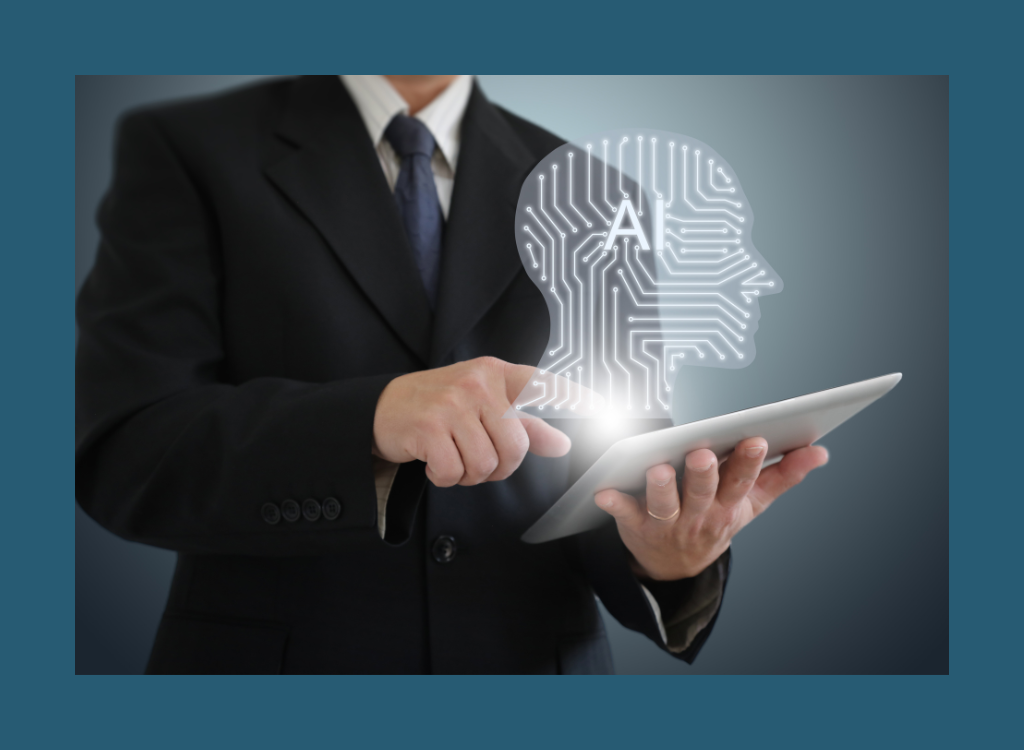
Conclusion
In 2025, the cybersecurity environment has undergone a significant transformation due to the incorporation of AI into IT security solutions. Security systems that can anticipate, identify, and react to threats with little assistance from humans have given organisations access to defensive capabilities that were unthinkable only a few years ago.
But this change goes beyond technology; it also includes new governance structures, operational models, and methods for human-machine collaboration. The most effective IT security management services have realised that artificial intelligence (AI) is a fundamental change in the way security is conceived and provided, not just a tool.
The emphasis will probably move from individual AI security components to fully cognitive security systems that can anticipate attacker strategies, reason about threats holistically, and dynamically evolve defences to match a constantly shifting threat landscape as we look beyond the horizon to the next wave of innovation. AI has given defenders significant new advantages in the ongoing arms race between attackers and defenders.
.