Importance of Cyber Incident Response and Business Continuity Planning
Cybersecurity threats are becoming more common in today’s digital world. Even with strong security systems in place, cyber incidents can still happen. Because of this, every organization needs a proper cyber incident response and business continuity plan to reduce damage and recover quickly.
A fast and organized response helps businesses detect threats early, contain attacks, investigate the problem, and restore systems safely. Without a proper response plan, companies may panic during an attack, lose important evidence, allow threats to spread, or remain offline for longer periods.
Effective cybersecurity incident response planning helps organizations stay prepared and minimize disruption during security incidents.
Why Incident Response Planning Is Important
An incident response plan gives organizations a clear process for handling cybersecurity problems.
These plans define:
Roles and responsibilities
Communication procedures
Security response steps
Escalation processes
Recovery methods
When employees understand what to do during a cyberattack, businesses can respond more effectively and avoid confusion.
Incident response plans also explain when management teams, legal advisors, cybersecurity experts, or law enforcement agencies should become involved.
Benefits of Cyber Incident Response Planning
A well-designed incident response strategy offers several important benefits.
Faster Threat Detection
Early detection reduces the impact of cyberattacks. Security monitoring tools help organizations identify unusual activities before attackers can cause major damage.
Modern detection systems use:
Automated monitoring tools
Threat intelligence data
Suspicious activity alerts
User-reported security concerns
Behavioral analysis systems
The faster a threat is detected, the easier it becomes to stop attackers from spreading through the network.
Improved Incident Containment
Containment helps prevent cyber threats from affecting additional systems or devices.
Common containment measures include:
Disconnecting infected devices
Disabling compromised user accounts
Blocking unauthorized access
Activating backup systems
Isolating affected networks
The main goal is to reduce damage while keeping essential business operations running whenever possible.
Importance of Cybersecurity Investigation
A proper cybersecurity investigation helps organizations understand:
How the attack started
Which systems were affected
What data may have been exposed
How attackers moved through the network
Security teams analyze system logs, digital evidence, and suspicious activities to identify the full scope of the incident.
This investigation process also helps businesses improve future security measures and maintain evidence if legal action becomes necessary.
Effective Threat Removal and System Recovery
Once the investigation is complete, organizations must remove all security threats and restore normal operations.
Recovery steps usually include:
Removing malicious software
Fixing security vulnerabilities
Resetting compromised passwords
Restoring clean backup data
Updating security protections
Rebuilding affected systems
Complete cleanup is extremely important. If threats remain hidden inside the network, attackers may regain access later.
Business Continuity Planning During Cyberattacks
Business continuity planning helps companies continue operating during cybersecurity incidents and system failures.
A strong business continuity plan includes:
Backup infrastructure
Alternative work locations
Emergency communication plans
Data backup systems
Disaster recovery procedures
If primary systems become unavailable, backup systems help organizations continue important operations with minimal disruption.
This is especially important during ransomware attacks, server failures, or large-scale network outages.
Why Disaster Recovery Planning Matters
Disaster recovery planning focuses on restoring business operations after major disruptions.
Organizations must define:
Recovery time objectives (RTO)
Recovery point objectives (RPO)
Backup frequency
Data restoration priorities
Critical system recovery plans
These factors determine how quickly systems can recover and how much data loss is acceptable during an incident.
Regular testing and disaster recovery drills help ensure recovery plans work effectively during real emergencies.
Importance of Cybersecurity Drills and Testing
Cybersecurity plans should never remain unused documents. Regular testing helps employees understand their responsibilities during real incidents.
Organizations often conduct:
Tabletop exercises
Simulated cyberattacks
Disaster recovery drills
Incident response walkthroughs
Security awareness training
These exercises improve preparedness and help identify weaknesses in existing security processes.
Building a Strong Cybersecurity Strategy
Modern businesses cannot rely only on prevention. They must also prepare for fast response and recovery.
An effective cybersecurity strategy combines:
Threat detection
Incident response planning
Business continuity management
Disaster recovery solutions
Employee security training
Backup and recovery systems
Together, these measures help organizations reduce downtime, protect sensitive data, and recover quickly from cyber incidents.
Conclusion
Cyber threats can affect businesses of all sizes. However, organizations with strong incident response and business continuity plans can recover faster and reduce operational damage.
Proper planning, fast detection, effective containment, and reliable disaster recovery systems are essential parts of modern cybersecurity management.
By investing in cybersecurity preparedness, businesses can improve resilience, protect critical systems, and maintain customer trust even during unexpected security incidents.
Emerging Security Challenges
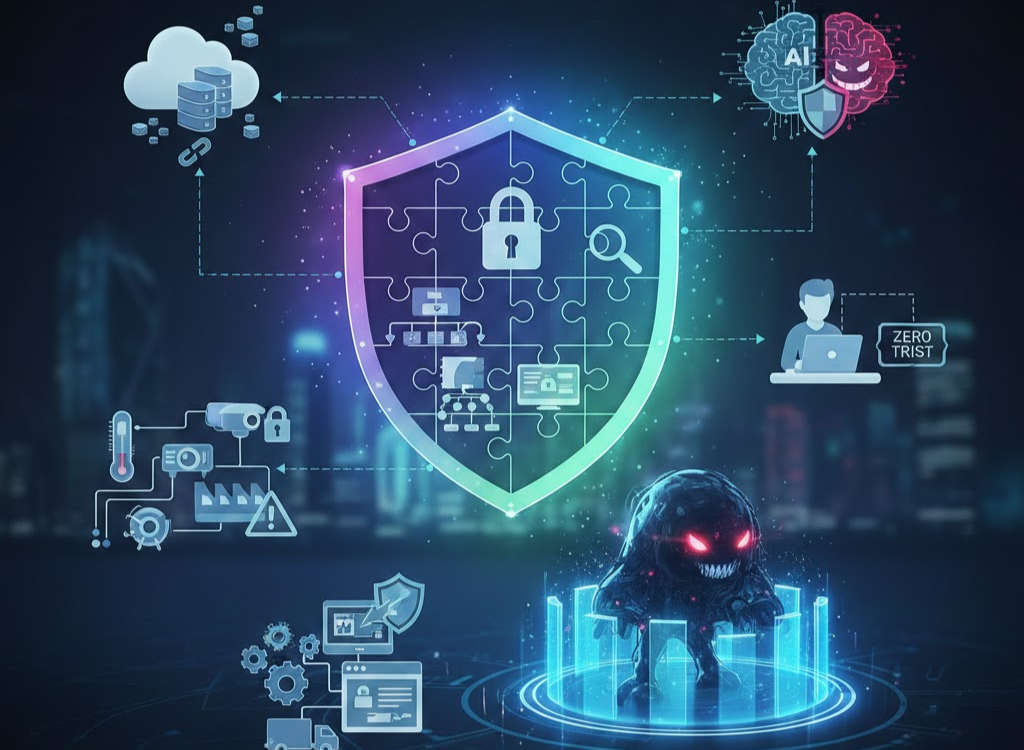
The way we handle safety online keeps shifting when fresh tech brings unexpected weak spots, meanwhile hackers cook up smarter ways to strike. With cloud systems, smart gadgets popping up everywhere, AI spreading fast, on top of more folks working from home – old-school border-style shields just don’t cut it anymore. Companies need to tweak their defense moves nonstop, tackling brand-new dangers without dropping guard against the usual suspects.
Cloud security issues come up because both sides – providers and users – have separate duties; one protects the base systems, the other guards apps and files. A lot of breaches happen due to wrong settings, like storage areas opened by mistake to everyone online, leaking private details. With old-style firewalls fading away, managing who gets in and what they can do turns into a top priority. Scrambling data matters more when it’s stored somewhere you don’t physically run or directly manage. Tools made to track setup flaws let companies spot weaknesses unique to cloud setups before trouble hits.
Internet of Things gadgets show up everywhere in companies – think smart buildings, factory sensors, or fitness trackers. Since lots of them don’t have simple protections such as secure messaging or login checks, they’re easy targets. Their weak processing power means standard security tools just won’t run on them. Splitting networks to keep IoT gear separate from vital systems cuts down on exposure. Keeping track of devices and spotting weaknesses lets businesses get a clearer picture of where they’re vulnerable.
Working from afar got popular fast, pushing company defenses past old-school office walls. When staff log in using home Wi-Fi or public spots like cafes, risks go up. VPNs scramble data during transit – still won’t help if a personal gadget is already hacked. Instead of trusting anyone inside the network, zero trust checks each login attempt no matter where it comes from, making safety stronger. Tools on individual gadgets make sure they follow rules for security, even when used far away.
AI brings chances to boost safety, yet it also introduces new dangers. While machines spot threats through pattern-finding humans might overlook, older tools often fail here. Speed-wise, automatic defenses outpace people when handling alerts. Still, clever tricks can trick those smart systems if they’re designed to mislead. Fighting back against smart cyber threats means keeping up as they change on the fly. Teams need to get how AI defends systems just as much as how it can be used to break into them.
Supply chain hacks hit reliable suppliers to get to their real goals. Instead of direct strikes, crooks slip nasty code into genuine software patches. With hardware tricks, shady circuits sneak inside devices before delivery. By breaching service firms, attackers use existing trust links to break in. Such breaches are tough to handle since they take advantage of trusted connections that security setups usually allow. Instead of just relying on defenses, companies check outside partners’ safety measures, whereas contracts split up who’s responsible for what.
Ransomware’s shifted from random hits on single machines to focused strikes on companies. These days, it doesn’t just lock files – it grabs them too, then warns victims their data will go public unless they pay up. Criminals scout ahead, sizing up which firms can afford bigger payouts. They’ll hit backup systems first so there’s no easy way back. Staying safe means solid backup plans using disconnected storage plus tools that catch the attack early, long before locks take hold.
Conclusion: Partnering for Comprehensive Security
The growing complexity of online dangers along with tighter rules makes it tough for companies to handle safety issues using just their own teams. Knowing enough about things like system defenses, device safeguards, reacting to breaches, following regulations, and teaching staff often goes beyond what firms can keep up inside their business without taking time away from main tasks.
Small to medium businesses need strong IT defenses – yet they can’t afford big-company expenses. While dealing with risks just like large corporations, they usually don’t have full-time security staff or deep pockets for complex setups. Instead of going it alone, many turn to outside experts who offer solid protection at a fraction of the cost.
Emdee shows how IT security services should work for today’s businesses – broad, not shallow. Instead of zeroing in on just one tech tool, they blend safeguards with workflow fixes, meet legal rules, while teaching staff what to watch for. Their method makes clear: real protection doesn’t come from being strong somewhere while falling short elsewhere – it’s about doing well all around.
Businesses of any kind can pick tech and safety tools from outfits like Emdee, fitting what they actually face in threats. Tiny shops stay shielded without extra fluff. Medium teams grab full-coverage setups close to those big corporations use. Firms ramping up discover systems that grow right alongside them. Because it bends with demand, every outfit keeps solid protection no matter how small or new they are.
Cool tech firms that team up on security stuff get a leg up instead of doing it all alone. These helpers stay sharp on new dangers and tools popping up fast. With round-the-clock hubs, they spot issues and react – something most single companies can’t pull off easily. Thanks to tested methods and ready-made gear, things go live way quicker than starting from zero. Because they handle loads of clients, top-tier protection becomes affordable even for smaller players.
The choice between hiring a security provider or handling things in-house comes down to how big your team is, what tools you’ve got, who’s already skilled, how much risk you can take, also where your goals really lie. Still, if you’re not actually in the cybersecurity field, it makes more sense to keep your people working on main projects instead hand off tech defense tasks to experts such as Emdee for full coverage. That way, solid safeguards are in place without bosses needing to track every new threat – freeing them up to push progress, try fresh ideas, plus fine-tune daily operations.
Companies checking their safety setup need to look at how much risk they’re under, what rules apply, what tools they already have, plus what budget or staff is free for upgrades. A solid review highlights weak spots that demand quick fixes, yet also sets a starting point for future gains. Teaming up with seasoned teams such as Emdee means checks go wide instead of just skimming known zones and skipping hidden dangers. Such reviews shape smart security plans – matching spending to company goals and real threats.