One thing you might notice is how constant oversight becomes possible when handled externally. Instead of relying on in-house teams stretched thin by demands they can’t meet, companies tap into a wider pool of know-how. What stands out here is the access to high-end technology without footing the entire bill alone. Around the clock, someone else watches for risks while internal staff focus elsewhere. It works because several businesses share both the system and its cost. The result? A setup where vigilance does not drain one organization’s budget.
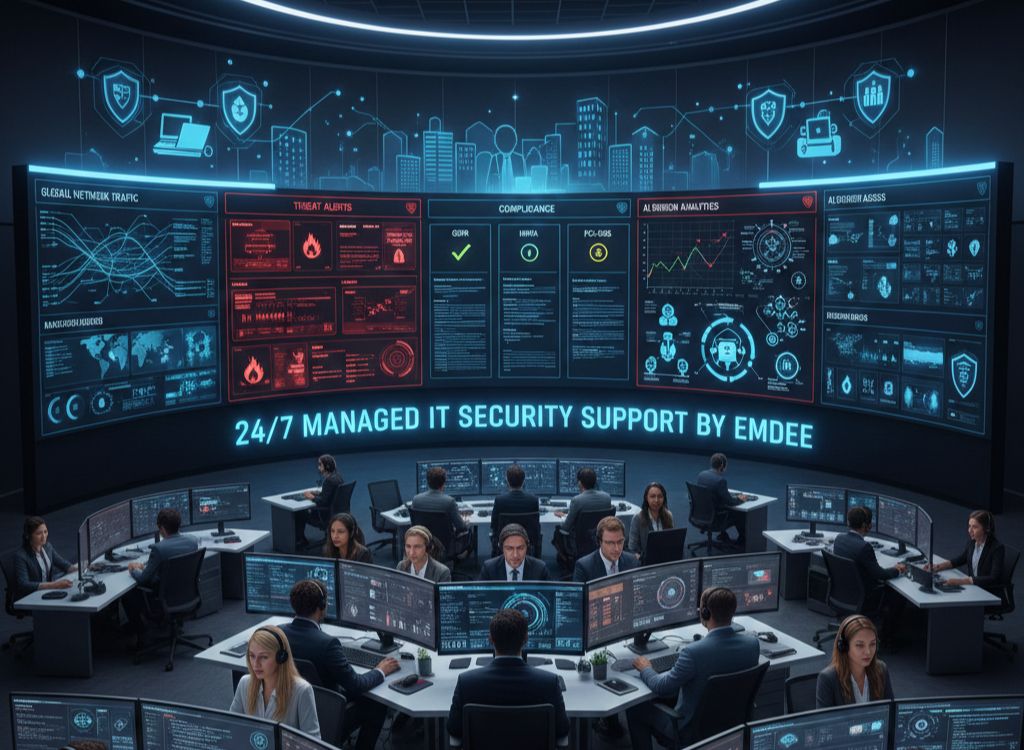
Watching networks nonstop, Security Operations Centers sift through alarms and records looking for hints of breaches. Patterns too faint for human eyes show up clearly when smart systems learn from data over time. Once a danger is spotted, skilled people step in to check what happened and decide the next moves.
What keeps a team strong is knowing when to bring someone else in. Not handing over control, just adding strength where needed most. Decisions still come from within, shaped by those who know the risks best. Outside help steps in only where skills might fall short. When things go wrong, talking clearly makes all the difference. Who does what, and when they step up, has to be spelled out ahead of time. That clarity turns chaos into order.
Starting off, IT security management focuses on big-picture thinking – shaping plans that guide how protection works across systems. Instead of day-to-day fixes, it builds rules and standards that hold everything together. Oversight comes into play, making sure actions follow laws and internal goals. Rather than reacting, this approach sets direction through careful design. Where hands-on support runs defenses daily, strategic efforts shape long-term resilience. Alignment with company aims becomes the anchor, steering choices beyond just tech needs.
Facing more rules than ever, keeping up with compliance feels like chasing shadows. From GDPR to HIPAA and PCI-DSS, each rule demands certain safeguards for sensitive information. Instead of going it alone, many groups rely on support that clarifies what applies, puts protections in place, then proves it all later with records and checks. Though tricky, staying aligned means fewer surprises down the road.
How a team handles danger shapes how well they survive surprises. Some dangers matter more than others, so effort goes where harm could be worst instead of spreading thin. Watching for new weak spots keeps plans sharp when conditions shift. What seemed minor last month might demand full focus today.
Tiny and medium businesses deal with tough security issues. Not having big budgets makes it harder, even though risks are just as real. Hackers go after these places on purpose, guessing their shields are thin. Still, smart-fit tools can block dangers well – no massive spending needed. Protection grows strong when it fits right.
Out in the digital world, protection comes via subscriptions instead of big upfront costs. Smaller teams get strong firewalls, secure messaging, device safeguards – no costly gear or expert hires needed. When a company expands, its defenses stretch right along, no major system changes required.
One way companies save money is by teaching staff about online risks. Not every breach happens because systems fail – sometimes people make mistakes. When workers learn how to spot fake emails or avoid weak login codes, fewer threats get through. Over time, repeating this knowledge helps teams act more carefully without being told. A habit of caution grows when safety talks happen often.
Starting early with safety inside tech work works better. It saves money too. Instead of fixing problems later, teams find weak spots while building things. Development teams bake protection right into their steps. Catching flaws up front cuts repair time. Fixing code before launch is easier. Problems caught late cause bigger headaches. Working this way smooths the whole process.
Machines handle boring security jobs without missing a beat, keeping rules applied the same way every time. Updates roll out fast because software gets patched automatically, shutting weak spots before hackers notice. When threats show up, actions kick off right away to hold things in check until people can look closer.
When security becomes part of how teams work together, it fits naturally into projects. Instead of working alone, those focused on protection team up with developers, operators, and department leads. Working alongside others helps security stay visible without slowing things down. What matters most shows up clearly when everyone shares responsibility.
Start by looking at how well a provider knows your industry’s risks. Not every firm grasps the unique threats certain sectors deal with. One clue? Check their team’s qualifications – titles such as CISSP or CISM often signal real knowledge. Firmwide credentials matter just as much, showing structured competence beyond single experts. Past work can reveal depth – what kinds of systems have they protected before? Culture plays a role too – a mismatch there might slow things down later. Match skills to needs without assuming bigger names mean better results.
Hearing directly from current customers shows what a provider really delivers, beyond the promises in brochures. Other businesses like yours can reveal which vendors adapt well when things go off track. Look past features – ask how quickly they reply, whether updates are clear, and if support holds up under pressure. Real talk uncovers gaps between flashy ads and day-to-day reliability.
d require.
Looking closely at contract details matters when picking a provider. Well-defined services, measurable outcomes, exit rules, or responsibility terms guard against disappointments later on. A lawyer reading through agreements can spot trouble long before it shows up.
Big companies face tough security needs across many sites and systems. When offices are spread far apart and use different tech, risks grow harder to control. One tool handles everything from a single point instead of scattered fixes. Machines do routine tasks so people can focus elsewhere. Connecting tools together helps teams respond faster during problems. Protection must scale up when user numbers climb into the thousands. Standard setups often fail under such heavy demand.
Starting from nothing means trusting nobody by default, even if they seem familiar. Verification kicks in each time someone asks for access, no matter their point of origin. With clouds reshaping workplaces, offices spreading beyond walls, and phones moving everywhere, old boundaries fade fast. Getting this right takes serious work, yet the payoff shows clearly when breaches stay out.
Security operations hubs bring oversight into one place for the whole company. When teams work together, hidden threats slipping between departments become harder to miss. Patterns emerge when data from different places is combined, showing complex breaches that single records could never expose.
Every day brings new dangers in cyberspace. Tougher attacks show up more often than before. Skipping security is no longer an option for companies. Patchwork fixes fail to keep pace with evolving risks. Strong defence means stacking safeguards carefully over time. Watching systems nonstop helps catch issues early. Guidance from seasoned professionals sharpens readiness. Protection improves when strategy ties everything together.
Security know-how? That’s what drives Emdee forward. From basic safeguards for smaller firms to full-scale defenses for big corporations – they’ve covered it all. Their services fit each stage: thinking ahead, setting things up, keeping them running, handling problems when they pop up. Instead of pushing fixed plans, they shape responses around real needs, actual risks, unique limits. One size never fits here.
Staying sharp on new dangers means clients get modern defenses, not old ones. Because they train often, hold certifications, plus engage in security networks, Emdee experts remain ahead. What they know turns directly into stronger safeguards for those they serve.
Security moves differently when Emdee steps in. Their support goes beyond tools, offering clear direction through tangled threats. A steady presence, they guide teams in seeing dangers clearly, choosing where to spend wisely. Goals shape the plan, not the other way around. When protection fits purpose, progress doesn’t slow down – it gains ground.
Security grows stronger when it’s part of everything a company does. Not long ago, keeping data safe meant guarding computers. Now, dangers come fast, hitting profits, trust, even future survival. A single breach might spark fines, lawsuits, loss of customer faith. Tools alone cannot fix this. Real strength comes from weaving protection into daily choices, plans, habits – deep enough that it holds when pressure hits.
Conclusion
Security means more than just locking things down. What matters is making it work without slowing people down. Rules need to fit how a business actually runs. Emdee looks at what each client faces – pressures, setups, targets. Protection must grow as threats change. Strategies take shape through real conversations. Strong defense does not mean grinding operations to a halt. Plans are built around actual workflows. Safety aligns with progress instead of blocking it.
From healthcare to finance, Emdee has faced a wide range of threats across different kinds of companies. Because it’s seen so many situations, its advice often skips mistakes others repeat. Lessons learned over countless projects shape how it guides new clients. What works – and what does not – becomes clear after years on the front lines.
What stands out about Emdee is how they walk alongside companies that want stronger defenses. Their mix of deep know-how and broad skills fits well with firms facing complex risks. Instead of one-size-fits-all fixes, they shape their work around what each customer actually faces. Over time, guidance from Emdee helps teams adapt before problems arise. Staying ahead does not stop after setup – it grows step by step.