Understanding CCTV Technology and Its Evolution
CCTV, or closed-circuit television, has transformed dramatically since its inception. Early systems required extensive cabling, produced grainy black-and-white footage, and demanded significant technical expertise to operate. Modern CCTV technology bears little resemblance to these primitive predecessors, incorporating digital recording, high-definition video, remote access capabilities, and intelligent analytics.
The transition from analogue to digital technology revolutionized the surveillance industry. Digital systems offer superior image quality, easier storage and retrieval of footage, and the ability to integrate with other security components. This technological leap made CCTV systems more practical for residential applications while enhancing their effectiveness in commercial and industrial settings.
Today’s CCTV landscape includes options ranging from simple single-camera setups to sophisticated multi-camera networks with advanced features like facial recognition, motion detection, and automated alerts. This variety ensures that property owners can find solutions matching their specific security needs and budget constraints, whether protecting a small apartment or a sprawling commercial complex.
The Growing Importance of Home Security Cameras
Residential security has become a priority for homeowners facing various threats, from package theft to burglaries. Home security cameras provide both deterrent effects and evidentiary value, making them essential components of comprehensive home protection strategies. The presence of visible cameras often discourages potential intruders, while recorded footage assists law enforcement in investigating incidents that do occur.
Modern home security cameras offer features specifically designed for residential applications. Two-way audio allows homeowners to communicate with visitors or delivery personnel remotely. Motion-activated recording conserves storage space while ensuring important events are captured. Night vision capabilities maintain surveillance effectiveness around the clock, addressing a vulnerability period when many security incidents occur.
The psychological benefits of home security cameras extend beyond actual crime prevention. Homeowners report increased peace of mind knowing they can monitor their property remotely and review footage if questions arise about events occurring while they were away. This reassurance proves particularly valuable for families with children, elderly residents, or valuable possessions.
Integration with smart home ecosystems has expanded the functionality of home security cameras beyond simple surveillance. These cameras can trigger other smart devices, send notifications to smartphones, and work in concert with smart locks, lighting systems, and alarm systems to create comprehensive security environments that respond intelligently to various situations.
Advantages of Wireless Security Cameras
Wireless security cameras have addressed many of the installation and flexibility challenges associated with traditional wired systems. Without the need for extensive cabling, wireless cameras can be positioned in locations that would be impractical or impossible with wired alternatives. This flexibility proves particularly valuable when monitoring areas distant from central recording equipment or when aesthetic considerations make visible wiring undesirable.
The installation process for wireless security cameras is significantly simplified compared to wired systems. Property owners with basic technical skills can often install these cameras themselves, eliminating professional installation costs. This accessibility has democratized security surveillance, making it practical for renters, budget-conscious homeowners, and those who prefer do-it-yourself solutions.
Wireless technology enables easier system expansion and reconfiguration. As security needs evolve or property layouts change, wireless cameras can be repositioned or additional units added without the expense and disruption of running new cables. This scalability ensures that security systems can grow and adapt alongside changing circumstances.
Modern wireless security cameras address concerns about signal reliability and interference through various technological advances. Dual-band connectivity, improved encryption, and sophisticated signal processing ensure stable connections and secure data transmission. Battery technology improvements have extended operational periods between charges or enabled solar charging options for truly wireless operation.
Selecting the Right CCTV Camera for Specific Needs
The variety of CCTV camera types available can be overwhelming for those unfamiliar with surveillance technology. Dome cameras offer discreet monitoring with wide-angle coverage, making them popular for indoor commercial applications. Bullet cameras provide focused surveillance over longer distances and clearly signal the presence of security monitoring. PTZ (pan-tilt-zoom) cameras offer flexible coverage with remote directional control, ideal for monitoring large areas with a single unit.
Resolution represents a critical specification when selecting CCTV cameras. While basic models may offer standard definition, high-definition and even 4K options provide superior image clarity that can prove crucial for identifying faces, license plates, or other important details. However, higher resolution requires more storage space and bandwidth, necessitating balance between image quality and practical constraints.
Field of view considerations influence camera placement and the number of units needed for comprehensive coverage. Wide-angle lenses cover larger areas but with less detail at distance, while telephoto lenses provide detailed views of specific zones. Understanding these trade-offs helps in designing systems that efficiently cover properties without unnecessary redundancy or gaps in surveillance.
Environmental factors must inform CCTV camera selection. Indoor cameras may lack the weatherproofing necessary for outdoor use, while outdoor-rated cameras are built to withstand temperature extremes, moisture, and physical impacts. Lighting conditions also matter, with some cameras performing better in low-light situations through infrared capabilities or larger image sensors.
Outdoor Security Cameras for Perimeter Protection
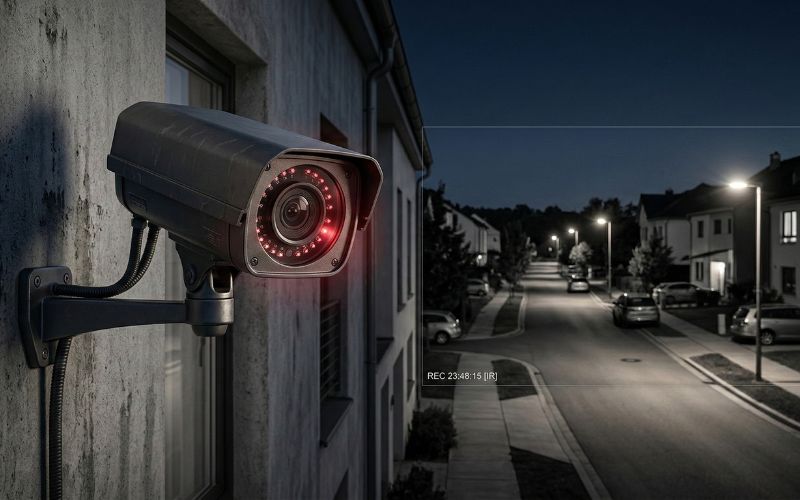
Outdoor security cameras serve as the first line of defence, monitoring property perimeters and approaches before potential threats reach buildings or valuable assets. Strategic placement of outdoor cameras creates layers of security, detecting suspicious activity early and providing time for appropriate responses.
Weather resistance is paramount for outdoor security cameras. Quality outdoor units feature sealed housings that protect sensitive electronics from rain, snow, dust, and extreme temperatures. Vandal-resistant designs with impact-resistant materials deter and withstand attempts to disable cameras, ensuring continuous operation even when targeted by those seeking to avoid detection.
Outdoor lighting conditions vary dramatically from bright sunlight to complete darkness, requiring cameras capable of adapting to these changes. Wide dynamic range (WDR) technology handles high-contrast scenes where bright and dark areas appear simultaneously, such as shaded entryways with bright backgrounds. True day-night cameras switch between color and infrared modes automatically, maintaining clear images regardless of lighting conditions.
Mounting considerations for outdoor security cameras include height, angle, and protection from direct sunlight or precipitation. Cameras positioned too low become vulnerable to tampering, while those mounted too high may not capture useful facial details. Proper angling ensures coverage of critical areas while minimising blind spots that could be exploited by sophisticated intruders.
Building Comprehensive Wireless Security Camera Systems
A wireless security camera system integrates multiple cameras into a coordinated surveillance network, providing comprehensive property coverage and centralized management. These systems range from simple two or three-camera setups for small residences to extensive networks with dozens of cameras monitoring large commercial facilities or multi-building complexes.
The foundation of any wireless security camera system is a reliable network infrastructure. While wireless cameras eliminate the need for video cables, they require robust WiFi coverage throughout monitored areas. This may necessitate mesh network systems or strategically placed access points to ensure consistent connectivity, especially in larger properties or areas with signal obstacles.
Centralised recording and management distinguish true systems from collections of individual cameras. Network video recorders (NVRs) designed for wireless systems store footage from multiple cameras, enable synchronized playback, and provide unified interfaces for system configuration. Cloud-based alternatives eliminate on-site recording equipment while enabling access from anywhere with internet connectivity.
System scalability ensures that security infrastructure can grow with evolving needs. Quality wireless security camera systems support adding cameras without requiring complete system replacement. This modularity proves valuable as businesses expand, families grow, or security priorities shift, protecting the initial investment while accommodating change.
Conclusion
Video surveillance technology has democratized security, making professional-grade monitoring accessible to homes and businesses of all sizes. The transition from expensive, complex analog systems to affordable, feature-rich digital solutions has transformed how property owners approach security. Whether the need involves basic monitoring of a single entry point or comprehensive surveillance of extensive facilities, modern CCTV technology offers solutions that balance effectiveness, usability, and cost.
Emdee specializes in delivering cutting-edge security camera solutions throughout Bangalore, bringing together technical expertise and customer-focused service. From wireless security cameras that install quickly without disruptive cabling to robust outdoor security cameras built for Indian climate conditions, Emdee provides systems designed for real-world effectiveness. Their approach begins with understanding specific security concerns and property characteristics, then designing CCTV systems that address vulnerabilities while remaining practical to operate and maintain. With ongoing support and maintenance services, Emdee ensures that security investments continue protecting properties and providing peace of mind long after initial installation.