Modern Cybersecurity Solutions for Businesses
A single cyberattack can disrupt an entire business within minutes. Important files may become inaccessible, systems can go offline, and customer trust may quickly disappear. In today’s digital world, cybersecurity has become one of the most important parts of business operations.
Businesses of all sizes face growing cyber threats every day. Small and medium-sized companies are no longer ignored by attackers. Automated cyber tools scan thousands of systems continuously, searching for weak points and security gaps.
Because cyber threats constantly evolve, organizations must strengthen their cybersecurity strategies to protect data, systems, and business operations.
Understanding the Modern Cyber Threat Landscape
Cybersecurity threats today are more advanced than ever before. Attack methods have evolved rapidly over the last few years, making traditional security approaches less effective.
Modern cyber threats include:
Ransomware attacks
Phishing scams
Data breaches
Insider threats
Malware infections
Government-sponsored cyberattacks
Cloud security risks
IoT device vulnerabilities
Cybercriminals often target businesses for financial gain, while some attackers focus on stealing sensitive information or disrupting operations.
Why Small Businesses Are Also at Risk
Many small businesses believe they are too small to become cyberattack targets. However, this is not true.
Automated hacking tools search the internet for vulnerable systems regardless of company size. Small businesses are often targeted because they may have weaker security protections.
Attackers also use smaller companies as entry points to reach larger organizations through supply chains or connected networks.
Because of this, every business needs strong cybersecurity protection.
Network Security and Infrastructure Protection
Network security is one of the most important parts of modern cybersecurity.
Businesses rely heavily on internet-connected systems, cloud platforms, and internal networks. Without proper protection, attackers can gain unauthorized access to sensitive information.
Importance of Firewalls
Firewalls help block suspicious traffic and unauthorized access attempts.
Modern firewalls can:
Monitor network traffic
Detect harmful activity
Block malicious connections
Identify suspicious applications
Prevent intrusion attempts
Advanced firewall systems provide much stronger protection than traditional network security methods.
Network Segmentation for Better Protection
Network segmentation divides systems into separate security zones.
This approach helps businesses:
Prevent attackers from spreading across networks
Protect sensitive information
Restrict unauthorized access
Improve internal security control
For example, guest Wi-Fi networks should remain separate from company servers and internal business systems.
Wireless Network Security
Wireless networks create additional cybersecurity risks if they are not properly secured.
Modern businesses should use:
WPA3 wireless encryption
Strong password policies
Secure authentication methods
Wireless intrusion detection systems
Regular network monitoring
Continuous monitoring helps identify suspicious wireless activities before they become serious threats.
Secure Remote Access with VPN and Multi-Factor Authentication
Remote work has increased the need for secure access solutions.
Virtual Private Networks (VPNs) create encrypted connections that protect communication between employees and company systems.
Businesses should also use Multi-Factor Authentication (MFA) to improve account security.
MFA adds extra protection by requiring:
Passwords
Security tokens
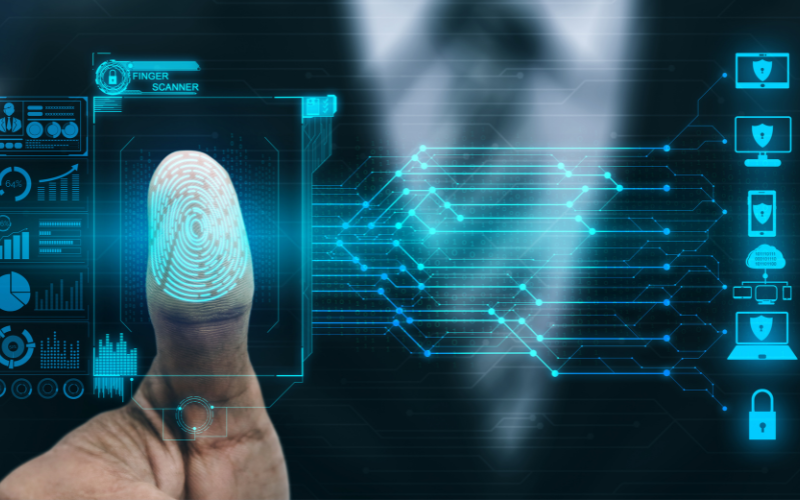
Fingerprint verification
Mobile authentication codes
Even if passwords are stolen, MFA helps prevent unauthorized access.
Intrusion Detection and Threat Monitoring
Modern cybersecurity systems continuously monitor network activity for suspicious behavior.
These tools help businesses:
Detect cyber threats quickly
Identify unusual activities
Stop malware attacks
Prevent unauthorized access
Reduce response times
Some systems use threat signatures to identify known attacks, while others use behavioral analysis to detect unusual patterns.
Endpoint Security and Device Protection
Every connected device creates a potential entry point for cyber threats.
Businesses must secure:
Laptops
Desktops
Smartphones
Tablets
Remote work devices
Without proper protection, attackers can steal data, install malware, or gain access to company systems.
Importance of Endpoint Security Solutions
Endpoint security solutions protect devices from cyber threats using multiple security layers.
These protections may include:
Antivirus software
Device firewalls
Application control
Data encryption
Mobile device management
Remote monitoring tools
Strong endpoint security helps organizations protect employees working both inside and outside the office.
Zero Trust Security Approach
Modern businesses increasingly use a Zero Trust security model.
Zero Trust means systems never automatically trust users or devices, even if they are already connected to the network.
Instead, every access request is verified continuously.
This approach improves protection for:
Remote workers
Cloud applications
Mobile devices
Distributed business environments
Zero Trust security is especially important for companies with hybrid or remote work setups.
Importance of Device Encryption
Encryption protects sensitive information if devices are lost or stolen.
Businesses commonly use:
Full-disk encryption
File-level encryption
Centralized encryption management tools
Encrypted devices prevent unauthorized users from accessing confidential business data.
Patch Management and Security Updates
Cybercriminals often exploit outdated software vulnerabilities.
Regular software updates and patch management help businesses:
Fix security weaknesses
Improve system stability
Prevent malware infections
Reduce cybersecurity risks
Businesses should test updates before deployment to avoid operational issues while maintaining security.
Remote Device Management and IT Support
Modern endpoint management tools allow IT teams to manage systems remotely.
These tools help administrators:
Install updates
Monitor device health
Troubleshoot problems
Remove security threats
Wipe stolen devices remotely
Remote management is especially valuable for businesses with remote employees or multiple office locations.
Building a Strong Cybersecurity Strategy
Modern cybersecurity requires more than antivirus software alone.
Businesses should combine:
Network security
Endpoint protection
Data encryption
Threat monitoring
Access control
Security awareness training
Regular system updates
A layered cybersecurity approach provides stronger protection against modern threats.
Conclusion
Cyber threats continue to evolve, making cybersecurity a top priority for businesses of every size.
Strong network security, endpoint protection, remote access security, and continuous monitoring help organizations reduce risks and protect critical systems.
By investing in modern cybersecurity solutions, businesses can improve data protection, reduce downtime, maintain customer trust, and operate more securely in today’s digital environment.