Implementing Effective CCTV Systems
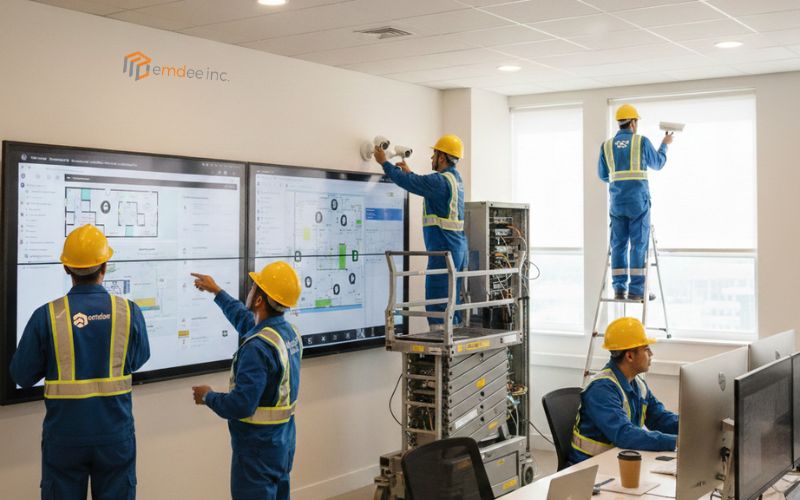
Successful CCTV systems require more than quality hardware; thoughtful design, proper installation, and ongoing maintenance all contribute to effectiveness. The design phase involves assessing security vulnerabilities, determining coverage requirements, and selecting appropriate equipment for specific applications. Professional security assessments can identify blind spots, optimal camera positions, and integration opportunities with existing security measures.
Installation quality significantly impacts system performance and longevity. Even the best cameras underperform if poorly positioned, inadequately secured, or improperly configured. Attention to details like focus adjustment, motion detection zone configuration, and network security settings determines whether systems deliver their full potential or become sources of frustration.
User training ensures that security systems are utilized effectively. Understanding how to access footage, respond to alerts, and maintain equipment enables property owners and security personnel to maximize system value. Without proper training, sophisticated features may go unused while basic operations become unnecessarily complicated.
Regular maintenance preserves CCTV system effectiveness over time. This includes cleaning camera lenses to maintain image clarity, checking connections for security and reliability, updating firmware to address vulnerabilities and add features, and testing system components to identify potential failures before they cause security gaps. Scheduled maintenance prevents small issues from becoming significant problems.
Storage and Data Management for Video Surveillance
Video surveillance generates enormous amounts of data, creating storage and management challenges. A single high-definition camera can produce hundreds of gigabytes of footage monthly, while multi-camera systems generate terabytes. Effective storage strategies balance retention requirements with practical storage limitations and budget constraints.
Local storage using hard drives or network-attached storage provides complete control over footage and eliminates recurring cloud storage fees. However, local storage faces risks from hardware failure, theft, or damage from the incidents being recorded. Redundant storage configurations using multiple drives mitigate some risks but add cost and complexity.
Cloud storage offers advantages including off-site backup, accessibility from anywhere, and elimination of local storage hardware management. Subscription models provide predictable costs and automatic capacity scaling. However, ongoing fees can exceed local storage costs over time, while dependence on internet connectivity creates potential access issues during outages.
Retention policies determine how long footage is stored before deletion or archival. Legal requirements, insurance policies, and specific security concerns all influence appropriate retention periods. Automated deletion of old footage prevents storage capacity issues while ensuring availability of recent recordings when needed most.
Privacy Considerations and Legal Compliance
CCTV deployment raises important privacy considerations that responsible property owners must address. While property owners generally have the right to monitor their own premises, surveillance that captures neighboring properties, public spaces, or areas where privacy expectations exist requires careful handling to avoid legal and ethical issues.
Audio recording introduces additional privacy concerns and legal restrictions beyond video surveillance. Many jurisdictions impose stricter requirements for audio recording than video, sometimes requiring all-party consent. Understanding and complying with these regulations prevents legal complications while respecting the privacy rights of visitors, employees, and others who may be recorded.
Signage informing people of video surveillance serves multiple purposes. It enhances the deterrent effect, satisfies legal disclosure requirements in many jurisdictions, and demonstrates good faith in respecting privacy while maintaining security. Clear signage should be positioned where it will be noticed by anyone entering monitored areas.
Data protection extends beyond preventing unauthorized access to footage. It includes secure storage, controlled access to recorded material, and responsible handling of any personal information captured. As data privacy regulations evolve globally, CCTV operators must stay informed about applicable requirements and implement appropriate safeguards.
Integration with Broader Security Ecosystems
Modern CCTV systems function most effectively as components of comprehensive security ecosystems rather than standalone solutions. Integration with alarm systems enables video verification of alerts, reducing false alarms while providing valuable context during genuine security events. This combination allows monitoring centers or property owners to assess situations before dispatching emergency services.
Access control integration creates powerful synergies, with cameras providing visual records of who accessed specific areas and when. Facial recognition capabilities can work with access control databases to grant or deny entry automatically, while video footage provides indisputable records of access events for security audits or incident investigations.
Lighting system integration enhances both security and energy efficiency. Motion-detected by cameras can trigger lights to illuminate areas, deterring intruders while improving image quality. Conversely, integrated systems can reduce lighting in unoccupied areas, saving energy while maintaining security through night-vision camera capabilities.
Analytics and artificial intelligence are transforming CCTV from passive recording devices to active security tools. Modern systems can detect unusual behavior patterns, count people, track objects, and generate alerts based on sophisticated criteria. These capabilities reduce the burden of constant monitoring while ensuring that important events receive prompt attention.
Cost Considerations and Return on Investment
CCTV system costs vary enormously based on camera quantity and quality, storage solutions, installation complexity, and ongoing monitoring services. Entry-level systems suitable for small residential applications may cost a few hundred dollars, while comprehensive commercial installations can require investments of tens of thousands or more. Understanding total cost of ownership, including installation, maintenance, and potential monitoring fees, enables informed decision-making.
The return on investment for CCTV systems extends beyond direct cost savings from prevented theft or vandalism. Insurance discounts for properties with professionally monitored security systems can offset costs over time. Enhanced property values, improved employee productivity through reduced shrinkage in retail environments, and legal protection through documented evidence all contribute to overall value.
Do-it-yourself versus professional installation represents a significant cost decision point. While DIY installation eliminates labor costs, it requires technical competence and time investment. Professional installation ensures proper system design and configuration while potentially providing warranty advantages and ongoing support. The choice depends on technical ability, time availability, and the complexity of the desired system.
Long-term operational costs deserve consideration alongside initial equipment expenses. Cloud storage subscriptions, electricity consumption, monitoring services, and eventual equipment replacement all factor into total ownership costs. Systems designed with energy efficiency, local storage options, and modular upgradeability can reduce long-term expenses significantly.
Future Trends in Video Surveillance Technology
Artificial intelligence is driving the next generation of video surveillance capabilities. Cameras increasingly incorporate on-board processing that can analyze footage in real-time, identifying specific objects, behaviors, or conditions without transmitting all data to central servers. This edge computing reduces bandwidth requirements while enabling faster responses to detected events.
Higher resolutions continue advancing, with 4K becoming standard for professional applications and 8K emerging for situations requiring extreme detail. These improvements enable single cameras to cover larger areas effectively or provide digital zoom capabilities that maintain clarity even when examining small portions of captured scenes.
Integration with Internet of Things ecosystems is expanding camera roles beyond traditional surveillance. Cameras contribute data to smart building management systems, provide inputs for retail analytics, monitor industrial processes, and support autonomous vehicle navigation. This convergence creates new applications while improving efficiency across various domains.
Privacy-enhancing technologies are developing in response to growing concerns about surveillance overreach. These include systems that blur faces or bodies while maintaining scene awareness, encryption that prevents unauthorized viewing even if footage is intercepted, and federated learning approaches that improve AI models without exposing raw footage.
Conclusion
The importance of effective video surveillance continues growing as security threats evolve and technology provides ever more capable solutions. From simple home monitoring to comprehensive commercial security systems, CCTV technology offers peace of mind and practical protection for properties and people. The key lies in selecting appropriate systems, implementing them thoughtfully, and maintaining them properly to ensure continued effectiveness.
For those seeking professional security camera solutions in Bangalore, Emdee offers comprehensive CCTV systems tailored to specific security requirements. With expertise spanning home security cameras, wireless security camera systems, outdoor surveillance solutions, and complete CCTV installations, Emdee helps property owners design and implement security infrastructure that provides reliable protection. Their knowledge of the latest surveillance technologies, combined with understanding of local security challenges, ensures that each installation delivers maximum value and effectiveness for residential and commercial clients alike.